
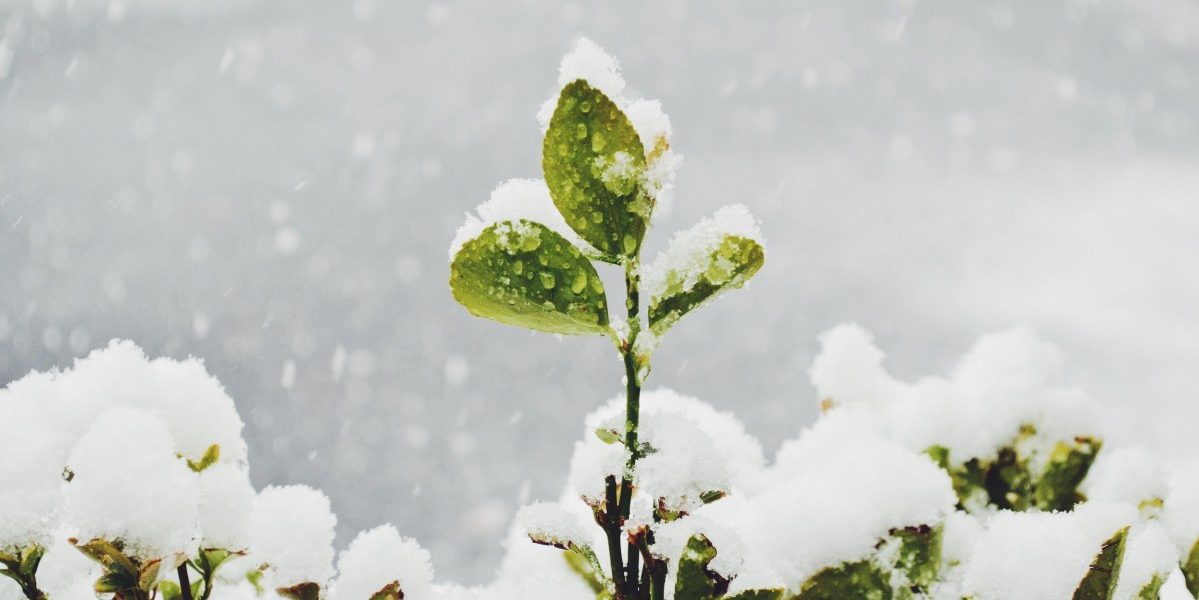
Prepare Your Plants for the Cold Nights
If you spent lots of time and money to improve and maintain your yard, it’ll be a shame when winter comes and your plants only end up dying. Most homes in Las Vegas Valley have desert-adapted landscapes, but if you’re one of those homeowners who have non-native plants or imported blooms, you better prepare your plants for the cold nights.
Temperatures start to drop in December, particularly at night. When the nighttime temperature plummets to 20 degrees or lower, plants that aren’t used to Nevada’s cold nights are likely to sustain some frost damage.
To make sure that your yard stays in good shape and won’t be a sorry sight come spring, below are some tips on how to adequately protect your precious plants.
How to Prepare Your Plants for the Cold Nights: 8 Tried-and-Tested Tips
1. The key to making sure that winter doesn’t take a toll on your plants is to cover them properly. Cover your plants with frost cloth. You can use lightweight painter’s cloth or cotton sheets if frost cloth isn’t available as these materials also allow airflow and light.
2. If you don’t have any of the above materials, your other options are blankets, burlap, cardboard, and paper. Take care not to weigh any branches down, but be sure that the cover reaches the ground so that the warm air released from the soil gets trapped and circulated for the benefit of your plant. It can help maintain the temperature inside a little warm during winter, much like a mini greenhouse.
3. Don’t use tablecloths, old shower curtains, and other plastic products. Plastic freezes, and when it does, it will transfer the cold into your plant, possibly killing it in the process.
4. If you have some old-school electric Christmas lights, hang them or deposit them on the plant’s base. These old-fashioned lights are great for adding some warmth, unlike LED lights.
5. Consider allowing your garden shrubs to grow into their natural shapes. Sheared shrubs might look pretty and nice with their interesting shapes, but they’re more susceptible to damage caused by cold weather.
6. Potted plants are prone to frost damage, so move them into your garage or onto your porch. You can also place them near your home’s wall or under large evergreen trees to somehow cushion them against the chill.
7. If there are frost-sensitive or young trees on your property, remember to wrap their trunks with cloth to give them an extra layer of insulation.
8. When a particularly cold night is expected, water tropical trees and plants at their base at least a day before. As for succulents and cactus, it’s best to keep their soil dry as they can survive the cold far better that way.
Also, remember that not all plants are created equal, so some species do a better job of withstanding the cold than others. If you want to save yourself from worrying about your greenery every time December arrives, consider skipping the sensitive plant varieties and going instead for pansies, snapdragons, and flowering kale. These annuals don’t mind cool nights. Stay away from yellow bells, Ficus trees, bougainvillea, and other tropical plants as they’re the most sensitive.
Browse our blog to learn more tips and tricks on plant care. 2 White Guys Landscaping & Design (2WG) will also be happy to help should you need assistance in preparing your yard for the coming winter.